
What is Permission-based email marketing?
Permission-based email marketing is when people choose to receive your emails. This consent helps you send emails that they actually want to read. When you build your email list this way, you get better results. People are more likely to open and click on your emails, they’re less likely to be marked as spam, and your brand looks good. This means you’ll get better results from your email marketing. If you send emails to people without their permission, it’s called spam. This can hurt your brand and make it harder for your emails to reach people.
Types of Permissions Used in Email Marketing:
-
Explicit Permission:
-
Implied Permission:
-
Single Opt-in:
-
Double Opt-in:
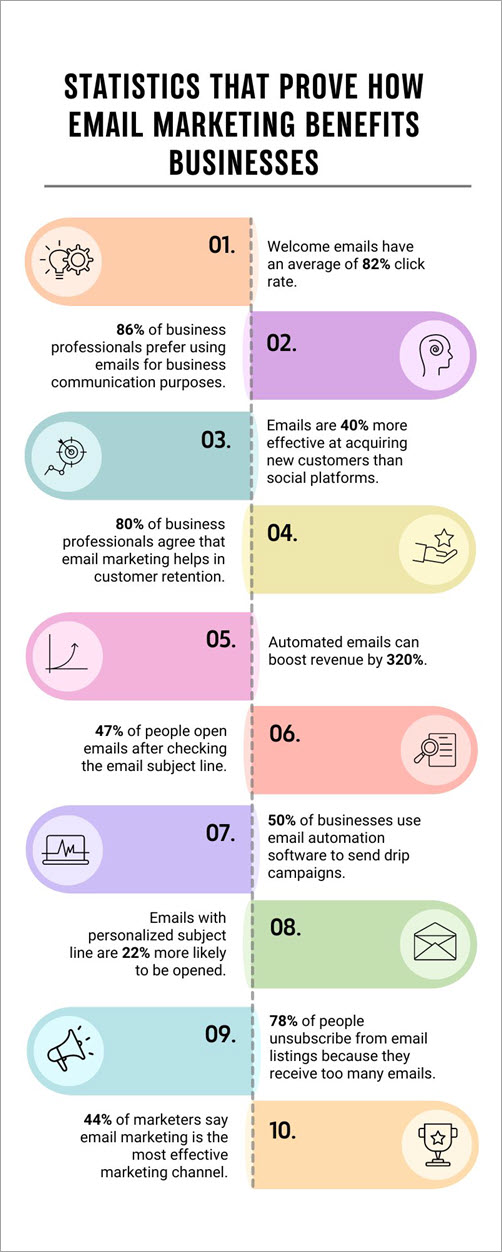
Email Marketing Statistics:
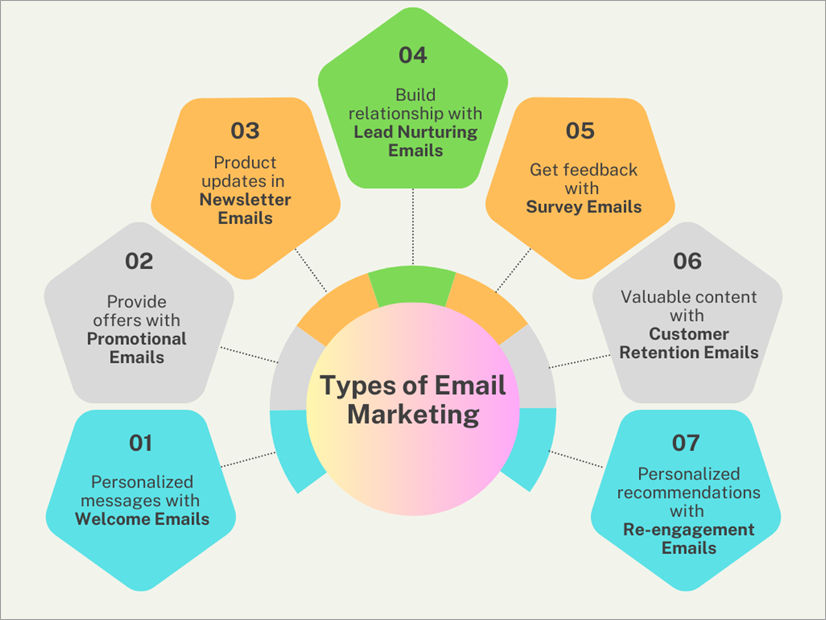
Types of Email Marketing:
-
Welcome Emails:
-
Promotional Emails:
-
Newsletter Emails:
-
Lead Nurturing Emails:
-
Survey Emails:
-
Customer Retention Emails:
-
Re-engagement Emails:
Best Practices for Permission-based email marketing:
1. Get Permission:
- Clear Opt-in: Implement a clear and easy-to-find opt-in option on your website or signup forms.
- Double Opt-in: Consider using a double opt-in process to verify email addresses and ensure genuine consent.
2. Plan and Execute:
- Regular Communication: Stick to a schedule for sending emails that works for your readers.
- Campaign Tracking: Monitor key metrics like open rates, click-through rates, and conversions to measure campaign effectiveness.
3. Maintain a Clean List:
- Avoid Purchased Lists: Never buy or rent email lists, as this can lead to spam complaints and a damaged reputation.
- Easy Opt-out: Provide a clear and accessible link in every email so subscribers can unsubscribe at any time.
- List Hygiene: Regularly clean up your list by removing inactive or bounced email addresses to improve deliverability and engagement.
4. Deliver Value:
- Relevant Content: Send personalized, informative, and valuable content that aligns with your subscribers’ interests.
- Avoid Overwhelming: Strike a balance between sending enough emails to stay top of mind without bombarding subscribers.
5. Segment Your Audience:
- Targeted Campaigns: Segment your subscribers based on demographics, behavior, or preferences to send more relevant and engaging content.
6. Respect Privacy:
- Data Protection: Handle subscriber data responsibly and comply with relevant privacy regulations. Do not share your subscriber’s email address with a third party without their consent.
- Transparency: Clearly communicate your privacy policies and how you use subscriber information.
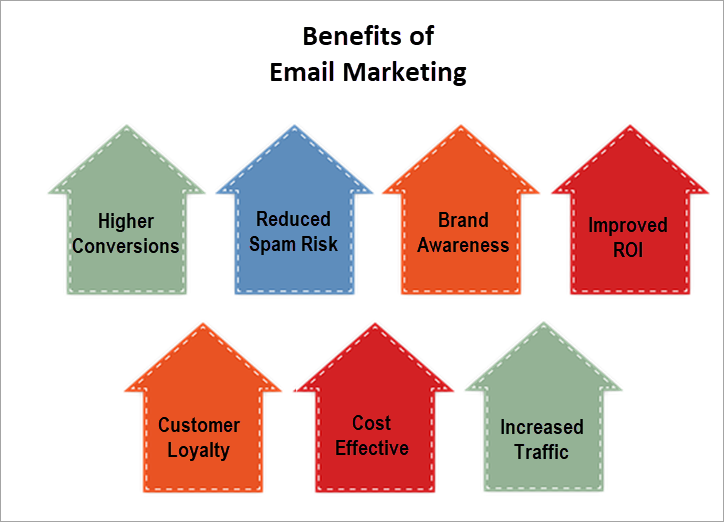
Benefits of using Email marketing:
-
Higher Conversions:
-
Reduced Spam Risk:
-
Enhanced Brand Awareness:
-
Improved ROI:
-
Increased Customer Loyalty:
-
Cost-Effective:
-
Increased Website Traffic:
How OfficeClip Helps Businesses with Email Marketing?
OfficeClip’s Campaign Module is a powerful tool that can streamline and enhance your email marketing efforts. Here’s how it can benefit your business:1. Create and Design Campaigns:
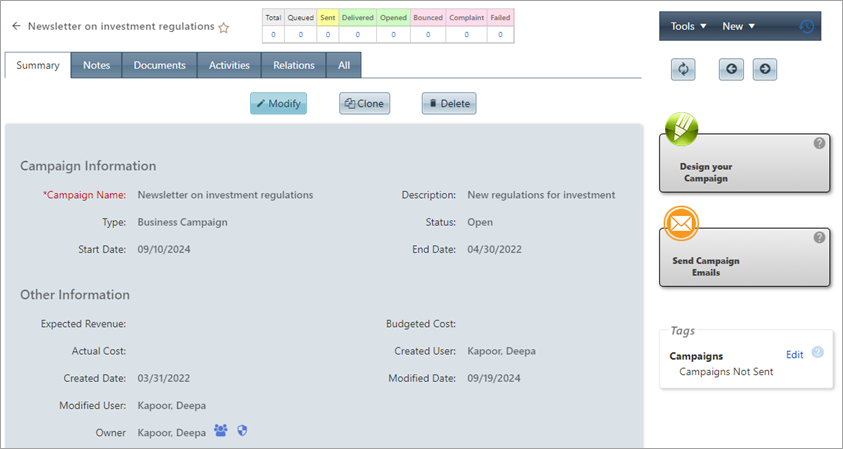 Easily create and customize campaigns using pre-built templates or design your own from scratch.
2. Send Campaigns:
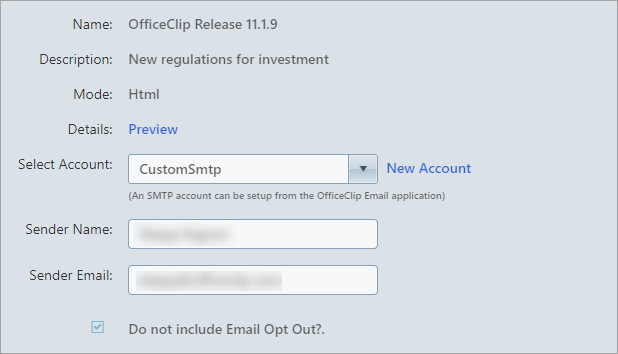 Utilize your own SMTP account or integrate with popular third-party providers like Sendinblue, Amazon SES, or Mailjet to send bulk emails seamlessly.
3. Target Specific Audiences:
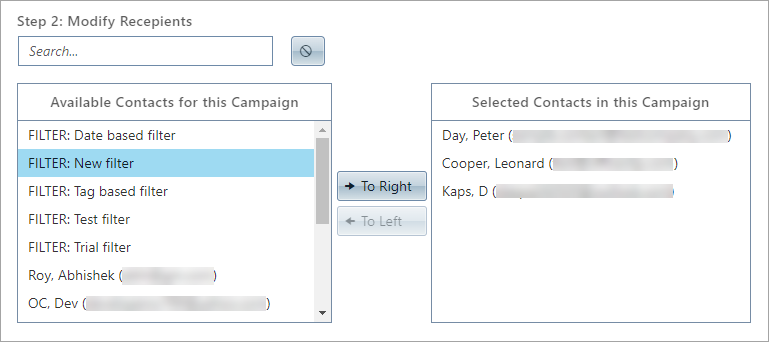 Use tags or filters to send campaigns to specific segments of your subscriber list.
4. Automate Workflows:
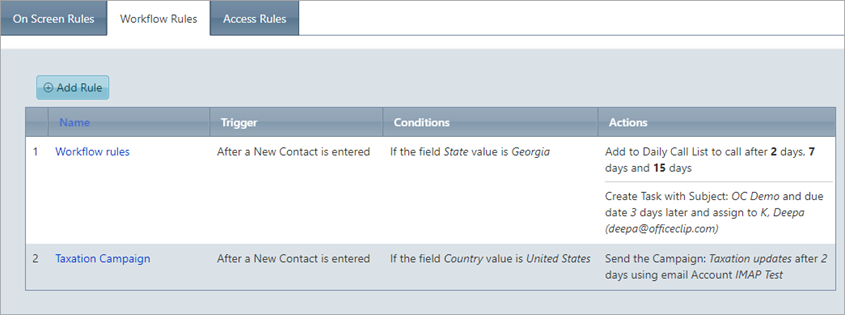 Set up automated rules to trigger campaigns based on user actions or data, such as sending welcome emails or follow-up messages.
5. Track Performance:
 Monitor the status of your campaigns, including delivery rates, open rates, click-through rates, and bounce rates, to measure effectiveness.
Conclusion:
Permission-based email marketing, to a large extent, helps in building brand value and increase revenue. Most importantly, it also helps to build relationships between your company and customers. By leveraging OfficeClip’s Campaign module, businesses can improve email deliverability, increase engagement, and drive better results from their email marketing efforts. Data Source: Business2community.com Oberlo.com Wpforms.com Statista.com HubspotNote: This blog was originally published in July 2019 and has been updated.

Deepa Kapoor is an online writer for small businesses. She loves to write on the advancements of new technologies and how it affects our lives. She always explores ways to make small businesses more profitable. When not writing, she enjoys reading books and cooking exotic traditional food.


